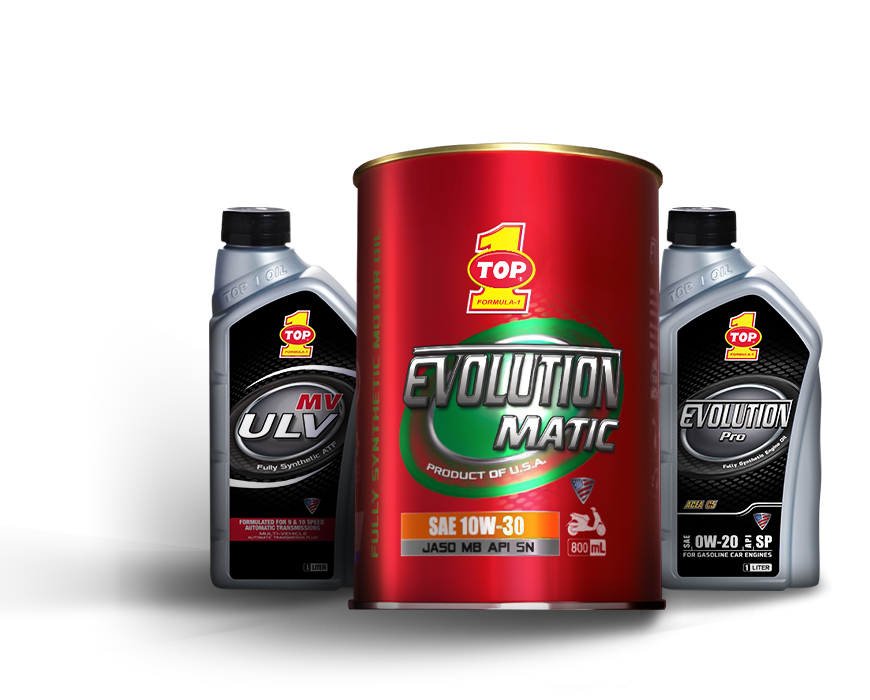
With an unwavering focus on quality and innovation, TOP 1 Oil Products Company produces, markets, and sells the highest quality lubricants for your car, truck or motorcycle. As a third-generation family business, we’ve distinguished ourselves at home and around the world by embracing the technological focus of our home region, the Silicon Valley in California. This focus has culminated in TOP 1 products being formulated with TOPTECH, “Technology from the heart of the Silicon Valley”.
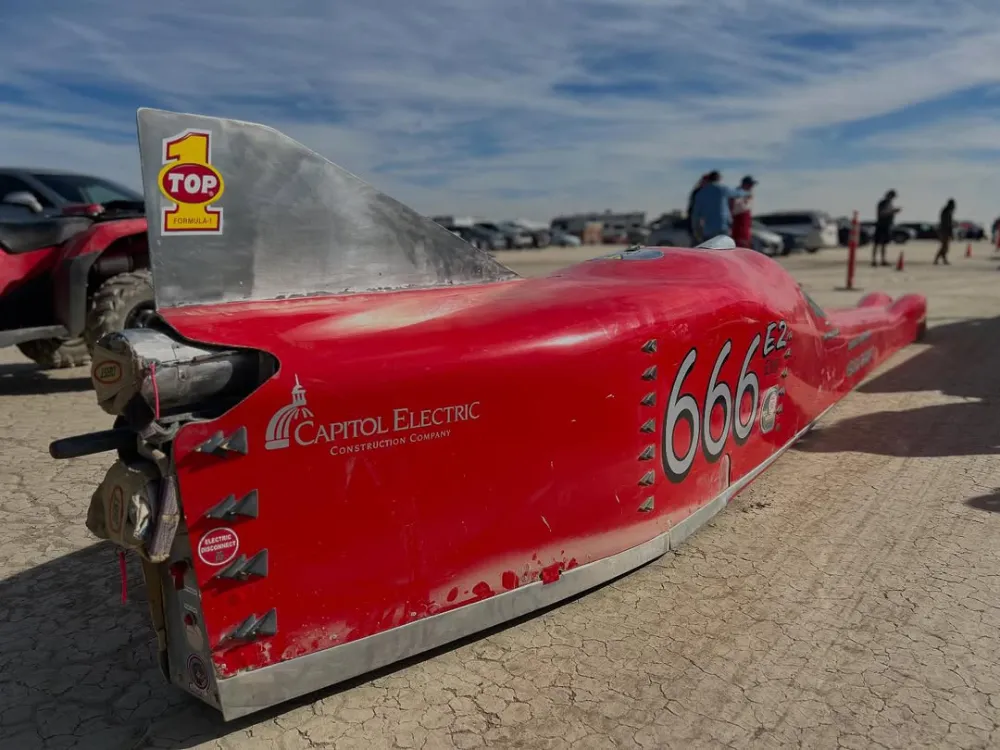
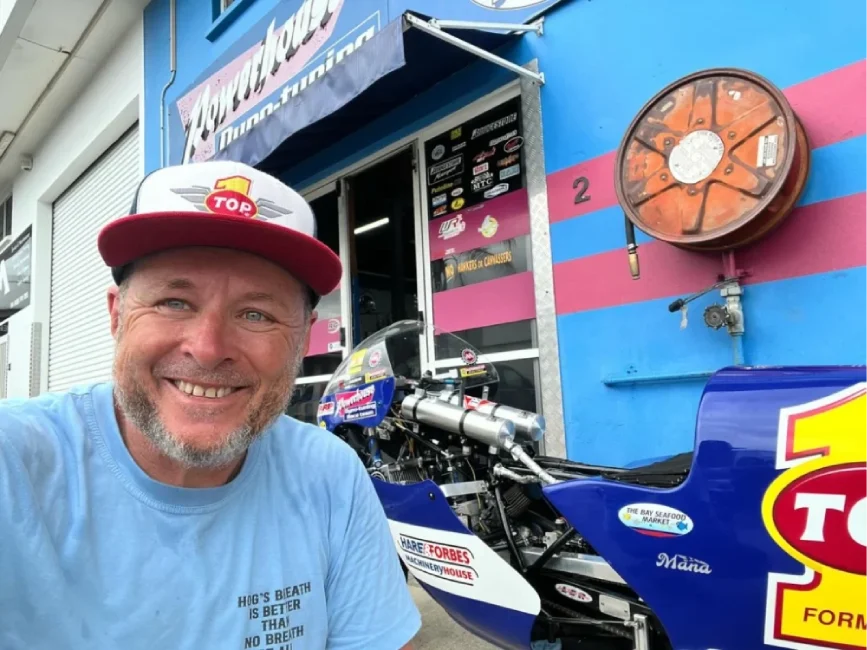
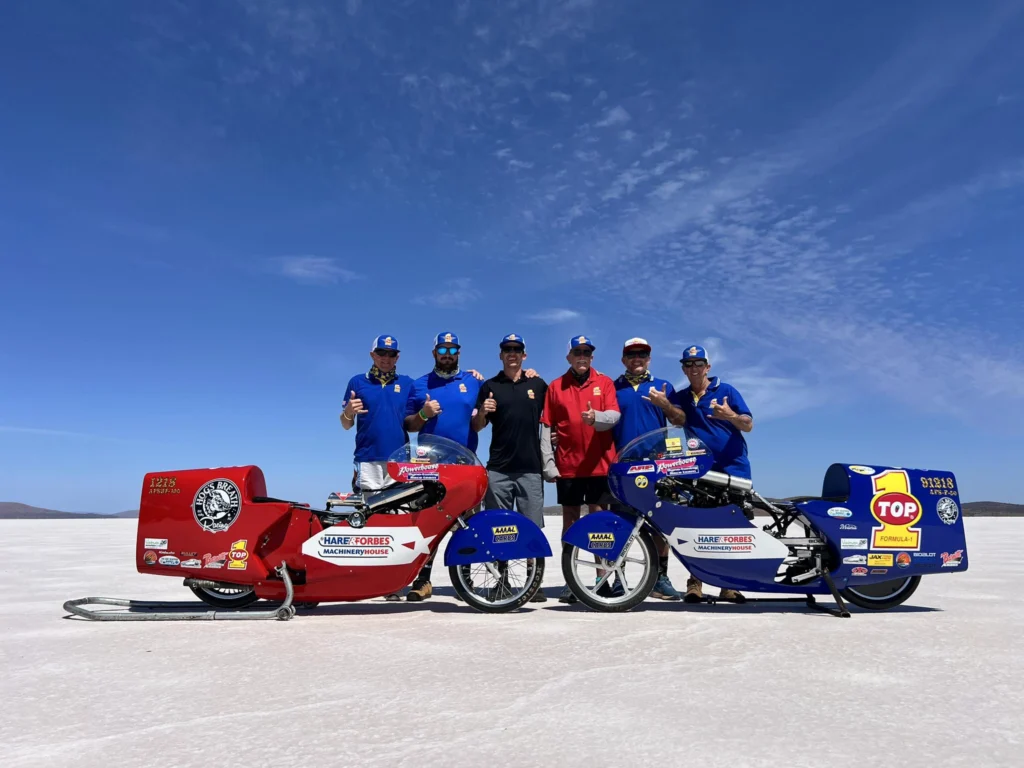
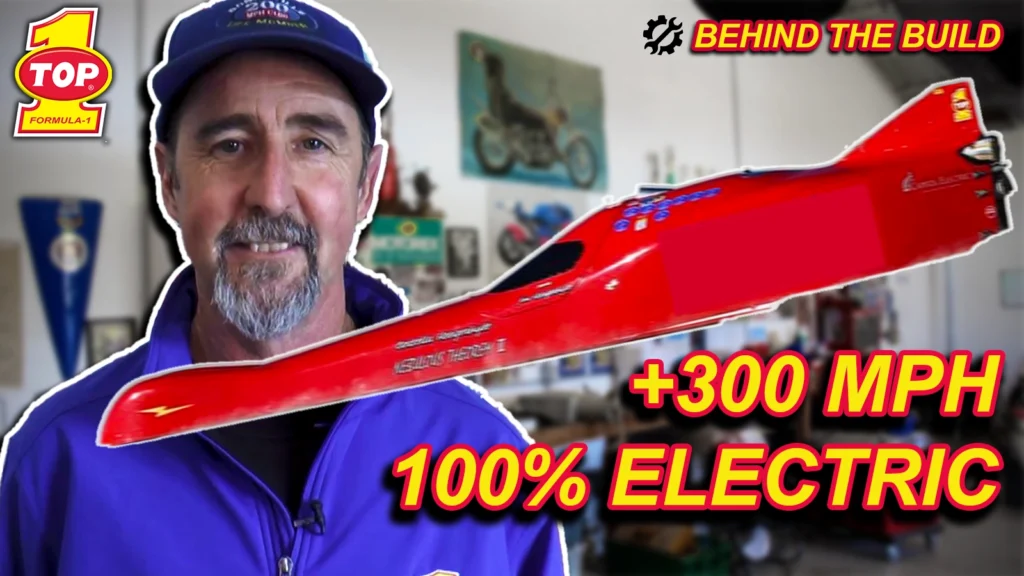
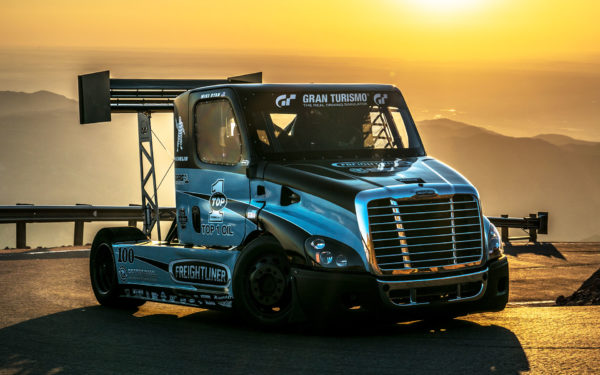
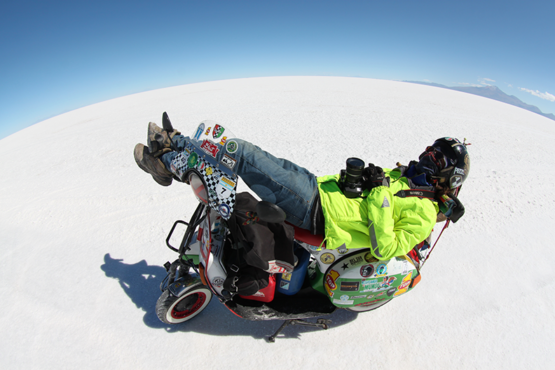
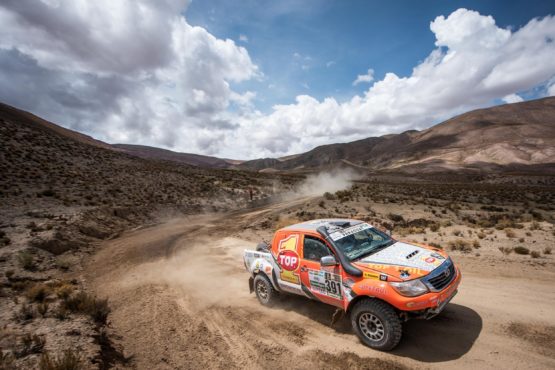
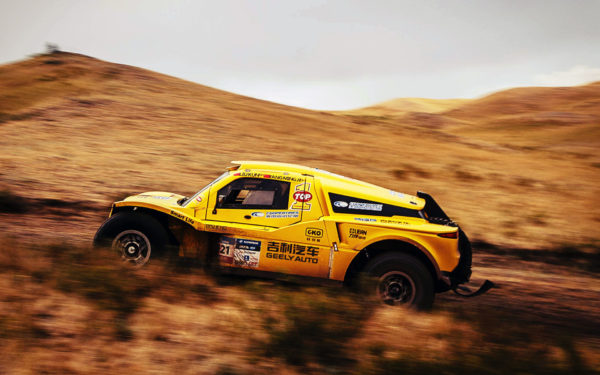
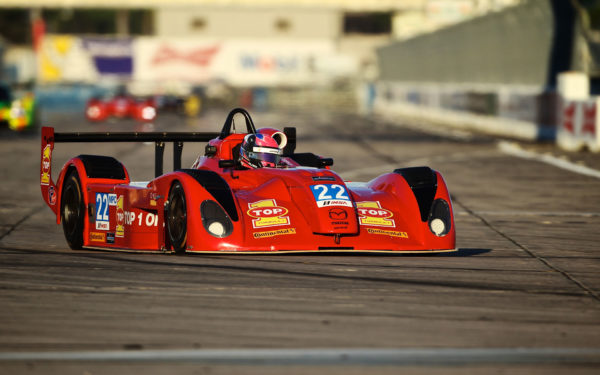
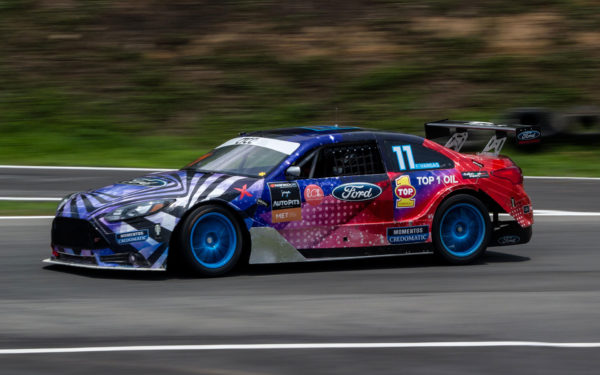
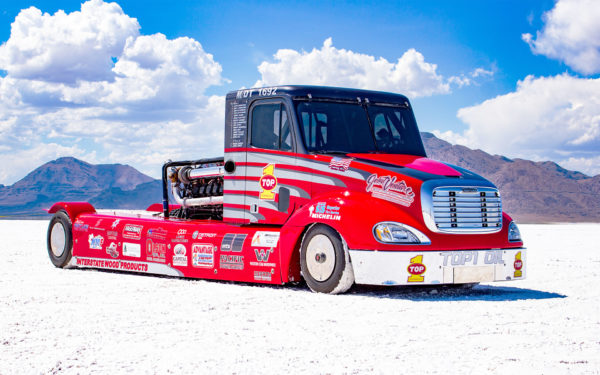
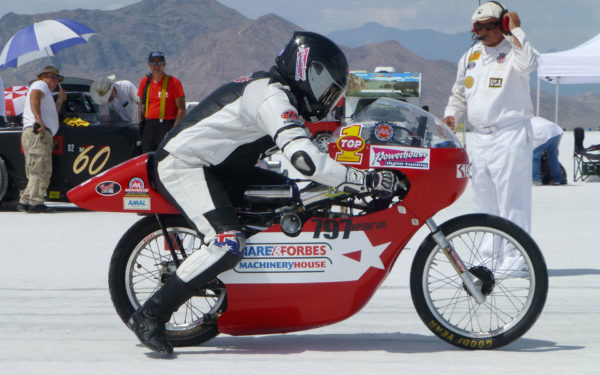
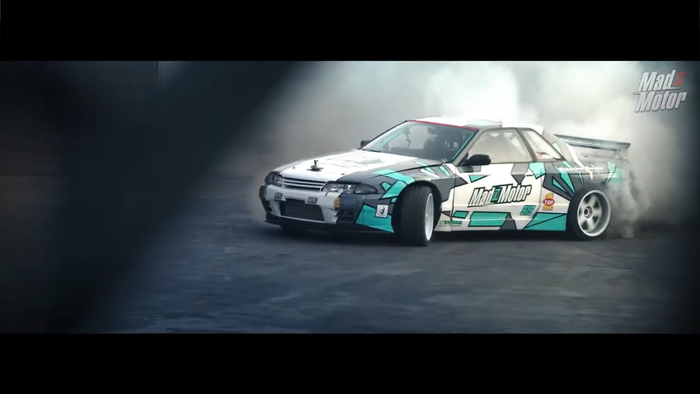
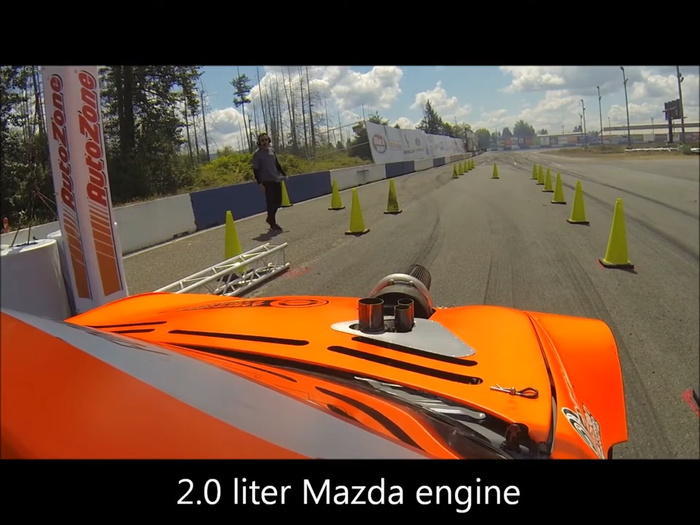
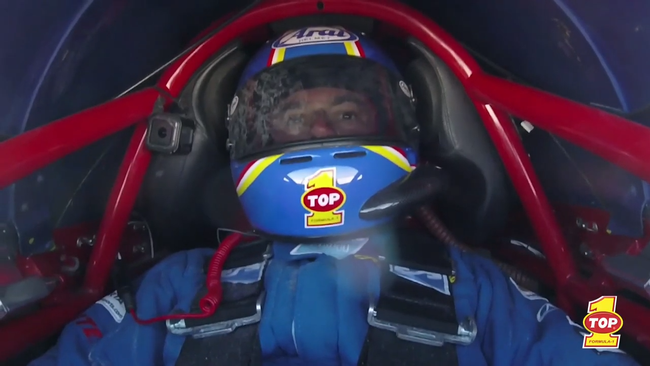
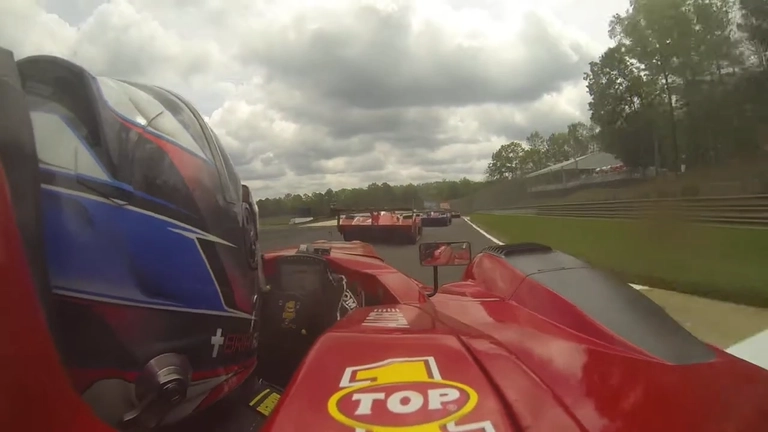
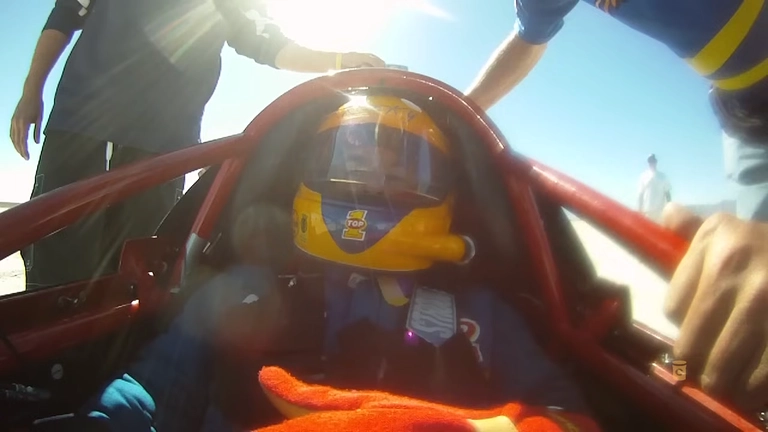
From deserts to remote mountain roads, TOP 1 users push boundaries and chase adventure across the globe. These are the stories of riders, racers, and explorers who trust TOPTECH-powered lubricants to keep their engines performing in the most extreme conditions. Fueled by innovation and tested in the real world, TOP 1 is proud to be part of every journey.
From deserts to remote mountain roads, TOP 1 users push boundaries and chase adventure across the globe. These are the stories of riders, racers, and explorers who trust TOPTECH-powered lubricants to keep their engines performing in the most extreme conditions. Fueled by innovation and tested in the real world, TOP 1 is proud to be part of every journey.
At TOP 1, our journey is rooted in a rich tradition of high-performance engineering. This legacy, sustained and advanced by our dedicated third-generation family leadership, inspires everything we do. Our commitment extends beyond simply meeting standards—we enable those who refuse to settle for less and consistently strive for greatness both on and off the road.
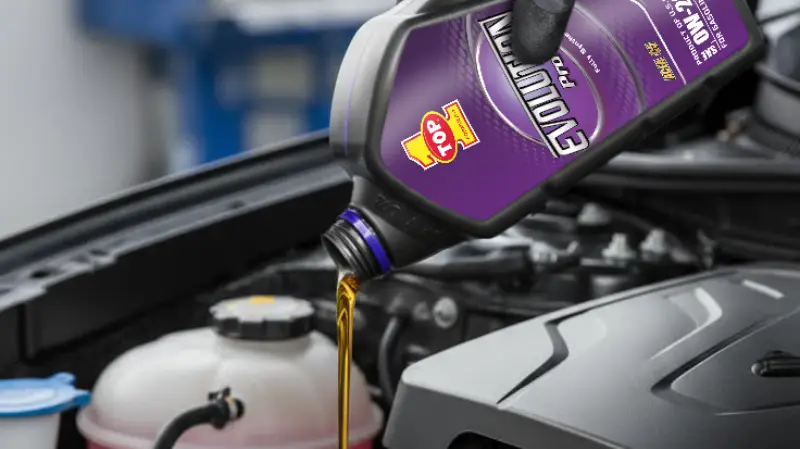
Central to our approach is the integration of advanced TOPTECH technology, developed in the innovative heart of Silicon Valley. Every product we offer—ranging from premium engine oils and greases to high-performance additives—is the result of meticulous engineering. This dedication ensures superior protection for your engine and maximizes efficiency, keeping you at the forefront of performance and reliability.
At TOP 1, our journey is rooted in a rich tradition of high-performance engineering. This legacy, sustained and advanced by our dedicated third-generation family leadership, inspires everything we do. Our commitment extends beyond simply meeting standards—we enable those who refuse to settle for less and consistently strive for greatness both on and off the road.
Central to our approach is the integration of advanced TOPTECH technology, developed in the innovative heart of Silicon Valley. Every product we offer—ranging from premium engine oils and greases to high-performance additives—is the result of meticulous engineering. This dedication ensures superior protection for your engine and maximizes efficiency, keeping you at the forefront of performance and reliability.